Home / Articles
The Best Compression Garments After Body Surgery
Home / Articles
The Best Compression Garments After Body Surgery
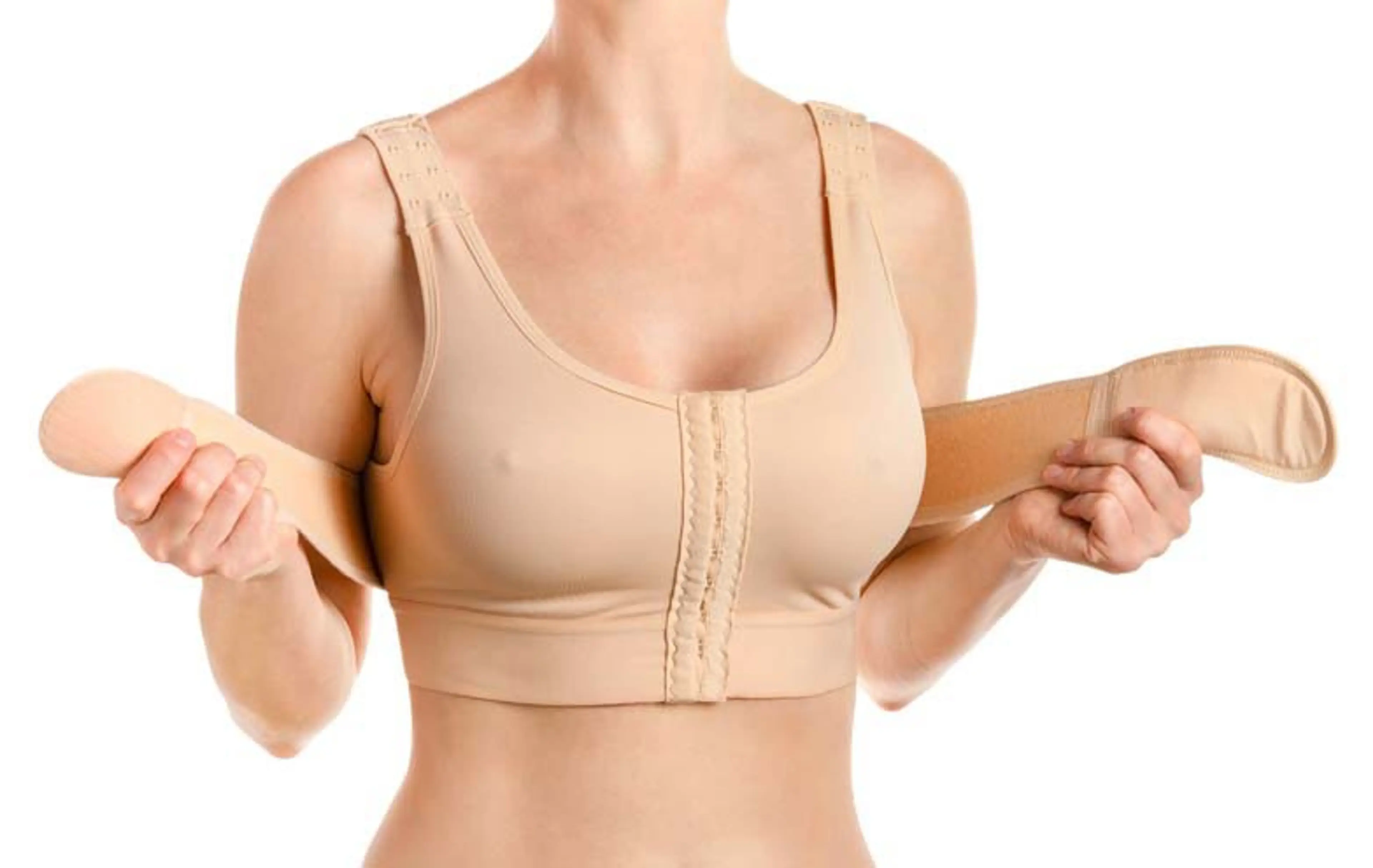
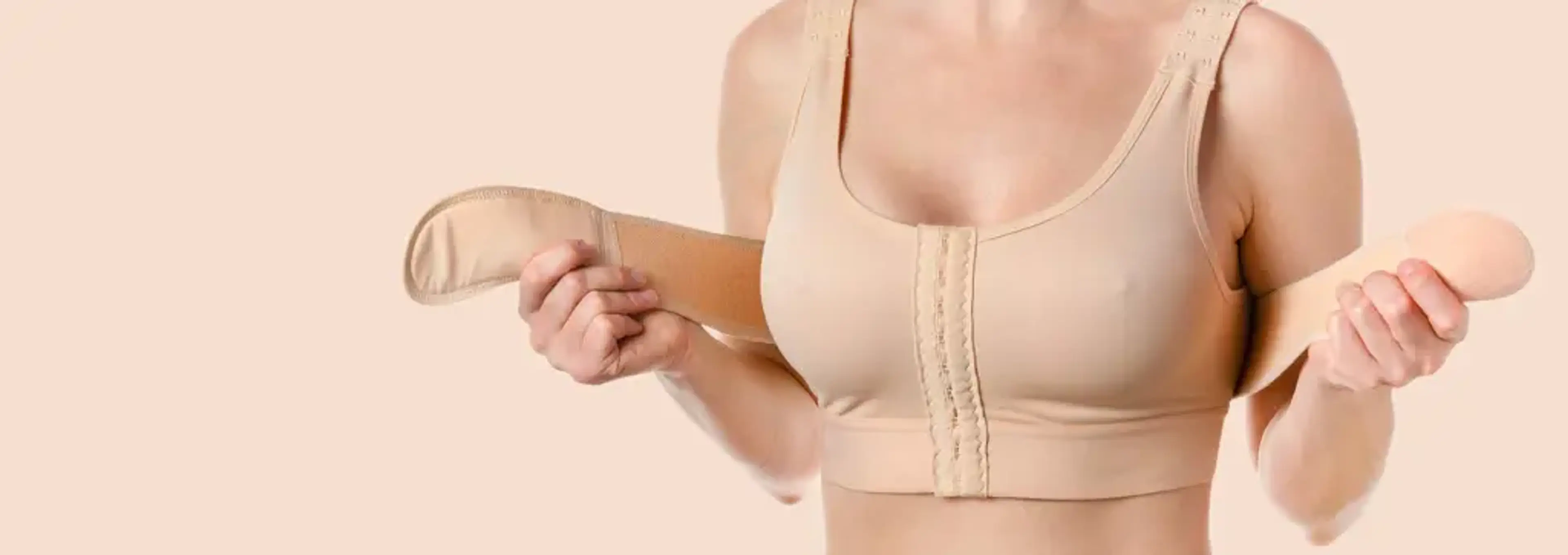
To be honest, most patients don’t think much about compression garments until the moment their surgeon mentions them — often right at the end of a consultation, when the focus has been on incisions, anesthesia, and final results. Yet in real surgical practice, especially after body contouring procedures, compression garments quietly play one of the most important roles in recovery.
At Cinderella Plastic Surgery Clinic, we’ve seen beautifully executed surgeries undermined by poor postoperative care — and we’ve also seen good compression transform healing into something smoother, faster, and far more comfortable. Compression garments aren’t just “tight clothing.” They are medical tools, carefully selected to guide the body as it heals.
If you’re preparing for body surgery — whether liposuction, abdominoplasty, body lift, or fat grafting — understanding compression garments is not optional. It’s essential.
After body surgery, your tissues are in a delicate, reorganizing state. Fat layers have been reshaped, skin has been lifted or tightened, and tiny blood vessels are healing. Without support, gravity and fluid accumulation can work against your surgical outcome.
Compression garments serve several critical purposes at once:
Many patients assume that swelling is something you simply “wait out.” In reality, swelling is influenced by how well the operated tissues are supported during the early healing phase. Compression acts like architectural scaffolding — holding everything in place while the body rebuilds itself.
When compression is applied correctly:
It minimizes dead space where fluid could collect
It supports lymphatic drainage
It reduces tension on incisions
It helps skin reattach evenly to underlying tissue
Think of it like molding wet clay. If you shape it and walk away without support, gravity distorts the form. Compression helps preserve the shape while the “clay” sets.
Not all surgeries require the same garment, and one-size-fits-all simply doesn’t work. At Cinderella Plastic Surgery Clinic, garment selection is procedure-specific.
Key goals:
Smooth contour
Even pressure
Reduced bruising and edema
After a tummy tuck, compression supports:
Muscle repair
Skin redraping
Incision healing
Here, the garment must balance firmness with comfort — too tight can impair breathing or circulation, too loose offers no benefit.
Circumferential lifts place stress on multiple incision lines. Compression garments:
Reduce tension
Protect sutures
Improve scar quality over time
Many patients ask, “Can’t I just buy one online?” The honest answer is: you can, but it’s risky.
From a medical standpoint, the best compression garments share these characteristics:
Workout shapewear is not designed for postoperative swelling, drainage, or prolonged wear. Medical-grade garments provide:
Graduated compression
Consistent pressure
Breathable but firm fabric
Restrict blood flow
Delay healing
Increase pain or numbness
Proper garments apply even, controlled compression without cutting into the skin.
Flat seams, contoured panels, and reinforced zones prevent:
Creasing
Pressure marks
Uneven shaping
Poorly designed garments can actually create contour deformities.
Zippers, hooks, or open crotch designs are not luxury features — they are necessities. If a garment is difficult to remove, patients are more likely to wear it incorrectly or stop using it altogether.
Worn during:
First 2–4 weeks
Period of peak swelling
Features:
Softer fabric
Higher elasticity
Space for surgical drains (if used)
Focus: comfort, swelling control, protection.
Worn during:
Weeks 4–8 or longer
As swelling decreases
Features:
Firmer compression
More sculpting support
Smaller sizing
Focus: contour refinement and skin tightening.
Skipping stage transitions is a common mistake we see — and it often leads to prolonged swelling or dissatisfaction with final shape.
This is one of the most frequently asked questions — and the answer depends on the surgery and the individual’s healing response.
On average:
Many patients feel tempted to stop early once swelling improves. But internal healing continues long after external swelling subsides. Think of compression as insurance for your result — uncomfortable at times, but protective in the long run.
Over the years, we’ve noticed patterns in recovery issues that stem not from surgery itself, but from garment misuse.
Too tight:
Increased pain
Numbness
Skin indentations
Too loose:
Ineffective compression
Persistent swelling
Some garments look sleek but lack proper medical compression. Postoperative care is not the time for fashion-first decisions.
That feeling is normal — especially during the first week. But discomfort should never mean pain, tingling, or shortness of breath. A well-fitted garment feels supportive, not suffocating.
At Cinderella Plastic Surgery Clinic, we emphasize:
Proper fitting
Gradual adjustment
Clear education before surgery
Two patients can undergo the same procedure by the same surgeon and end up with subtly different outcomes — often because of:
Compression compliance
Garment quality
Healing discipline
Compression doesn’t create beauty, but it protects it while the body stabilizes.
Compression garments should never be an afterthought. At specialized clinics like Cinderella Plastic Surgery, garment selection is integrated into the surgical plan itself.
We consider:
Surgical technique
Body proportions
Skin elasticity
Lifestyle needs
Long-term aesthetic goals
This personalized approach is especially important for international patients, who may not have easy access to postoperative adjustments once they return home.
Compression garments are an extension of surgical precision — quiet, unglamorous, but powerful. When chosen and worn correctly, they reduce complications, improve comfort, and help ensure that the results you worked so hard for truly last.
If you’re considering body contouring or recovering from surgery, speak with your surgeon about medical-grade compression options tailored specifically to your procedure. And if you’re seeking care at a clinic that prioritizes precision, safety, and long-term harmony, a specialty-driven center like Cinderella Plastic Surgery Clinic can guide you through every detail — including the ones that matter most after you leave the operating room.